The Estimating Grind: What Trade Contractors Deal With Every Day
 Yael Meretyk HananJan 5, 20264 min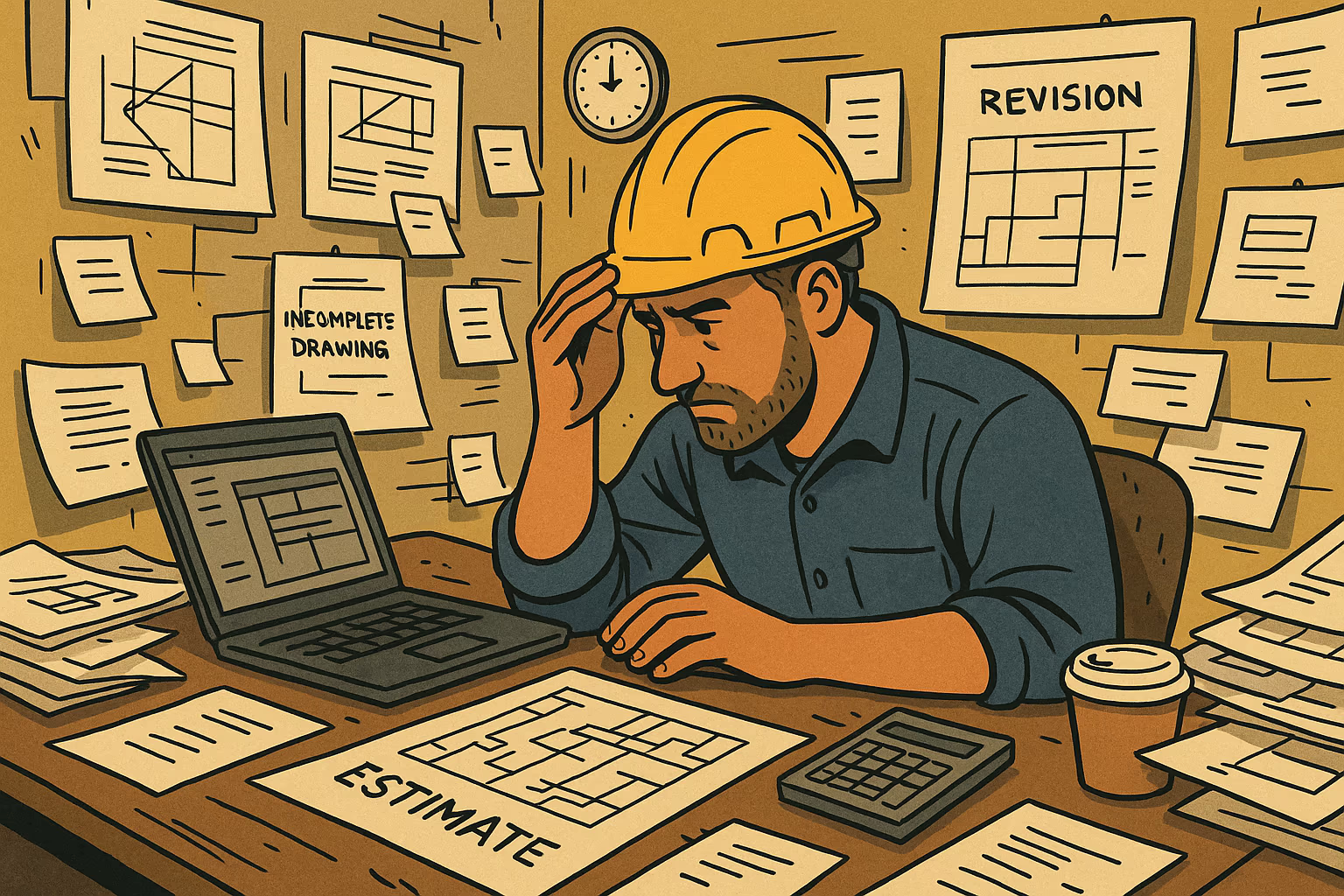
Every trade contractor knows estimating is never just takeoff. It's one of the hardest parts of the job. Not because you lack skill. Not because you don't know your craft. It's because the process itself is stacked with moving parts, missing information, and pressure that never lets up.
Estimating isn't just math. It's judgment, experience, and wrestling chaos into something predictable. And every estimator in the trades has lived the same frustrations:
"The drawings changed again."
"The details aren't there."
"We're pricing assumptions because we have to, not because we want to."
Below is why estimating is so tough today, and how smarter, connected tools like Pelles.ai can finally make it manageable.
The complexity problem: The target won't sit still
Whether you're mechanical, electrical, plumbing, or sheet metal, you're constantly navigating incomplete design documents, scope gaps, conflicting specs, and value-engineering requests that land mid-estimate. One minute you understand the scope, and the next an addendum drops or a note contradicts what you quantified. You're not bidding one version of the job; you're bidding multiple versions, sometimes before lunch.
Trades turn partial, shifting information into something buildable, and estimating is where that translation starts and where the uncertainty hits hardest.
The time pressure: Bids don't wait for anyone
Estimators live under nonstop deadlines. A typical day might mean two bids due at 2:00 PM, an addendum arriving at 11:17 AM, a GC asking for a "quick budget number," a customer wanting revisions on last week's proposal, and a PM checking whether a specific detail made it into the estimate.
There's no buffer, no breathing room and certainly no time to redo work because another file dropped into Procore or a drawing set updated for the fifth time.
The reality: trade contractors win work by responding fast, but that speed often comes at the cost of sanity, evenings, and inevitably accuracy.
The data gap: What's estimated rarely matches what gets built
Once a job is awarded, the estimate doesn't always flow cleanly into the field. Most estimating systems live in their own silo, which means labor assumptions don't match real productivity, material takeoffs aren't aligned with procurement data, and estimate breakouts rarely mirror how project managers actually run the job. Change orders often have to be rebuilt from scratch, and the lessons learned in construction almost never make their way back into the estimating database.
Contractors see the same pattern repeatedly: every project builds knowledge, but very little of it gets captured for the next bid. The gap between "bid day" and "built work" erodes margins, clarity, and predictability.
The human factor: Knowledge lives in people, not systems
Every shop has that estimator who just knows: how long a certain GC's projects really take, how one engineer always lays out mechanical rooms, or how a particular vendor prices a tricky assembly. None of this lives in a system; it lives in someone's head, collected over decades of experience. And that creates real risk. When that person is out sick, slammed with deadlines, or ready to retire, the accuracy of the whole operation wobbles.
New estimators end up guessing, and company-wide consistency becomes almost impossible. Estimating is challenging not just because the inputs are messy, but because the smartest insights are often trapped in people, not tools that everyone can access and use.
The new approach: Practical AI + connected workflows
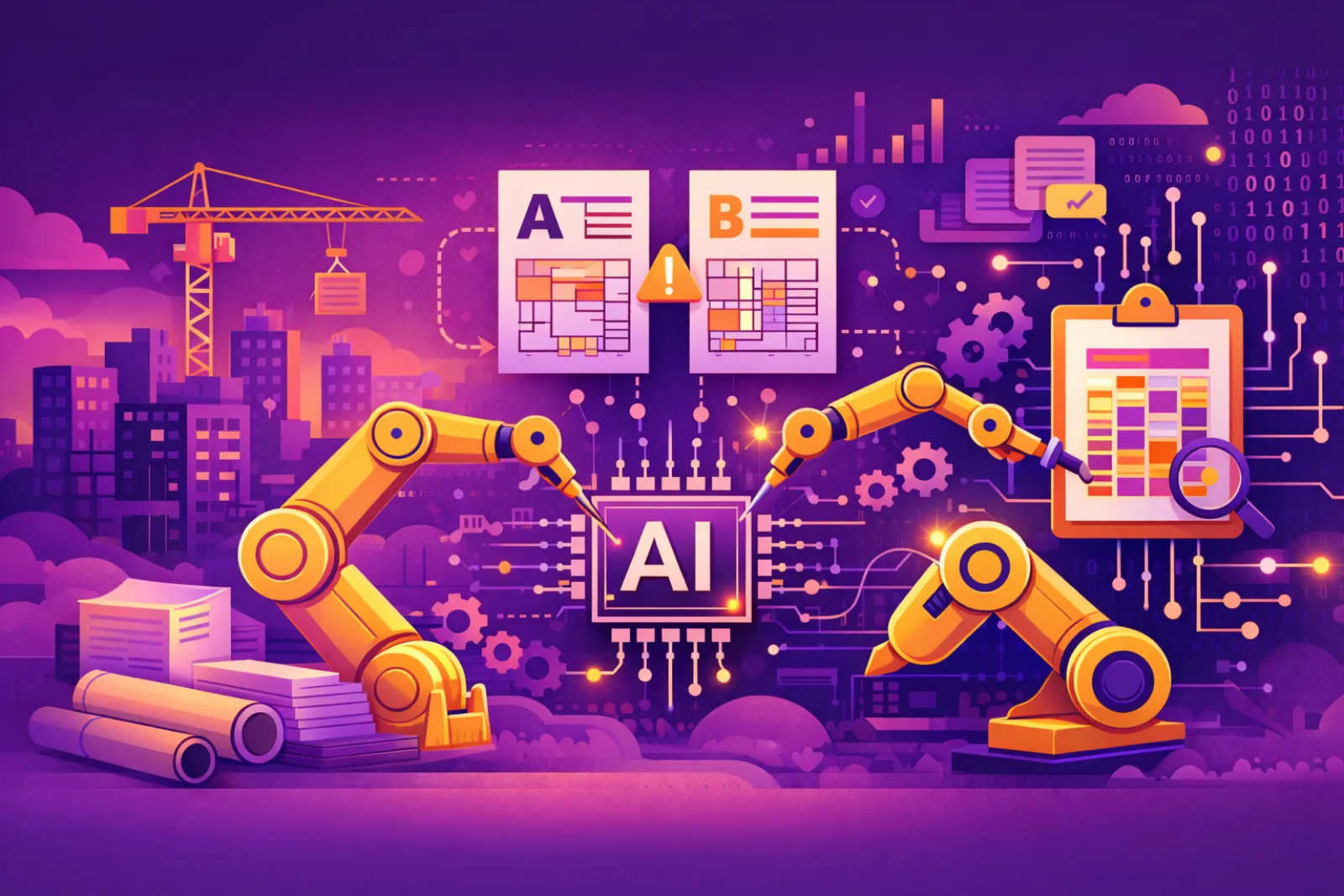
Here's the good news: estimating doesn't have to feel like constant firefighting. Modern tools, including AI built specifically for the trades can remove the grunt work without replacing the expertise that actually matters.
Pelles.ai helps estimators:
- Read and review specs and drawings instantly to surface missing details, scope gaps or overlaps, and material requirements.
- Stay consistent with reports and deliverables.
- Connect estimating to PM and field data so assumptions become more accurate.
- Handle revisions and addendums effortlessly instead of rebuilding bids from scratch.
Think of it like having an apprentice who never sleeps: They handle the busywork. You make the calls that require skill, judgment, and lived experience.
AI isn't here to replace estimators. It's here to make good ones faster and great ones unstoppable.
Estimating will always require experience, but it doesn't have to be chaos
The trades will always rely on real-world expertise. You can't automate judgment, scope instincts, or the ability to spot a detail that doesn't make sense.
But you can eliminate the hours lost to paperwork, rework, and manual takeoff. You can bring consistency across teams. And you can turn estimating into a more predictable, profitable, and sustainable part of the business.
That's what Pelles.ai is built for. Practical AI that respects the trades and removes the burden, not the craftsmanship.