Generative AI and the Future of MEP Engineering


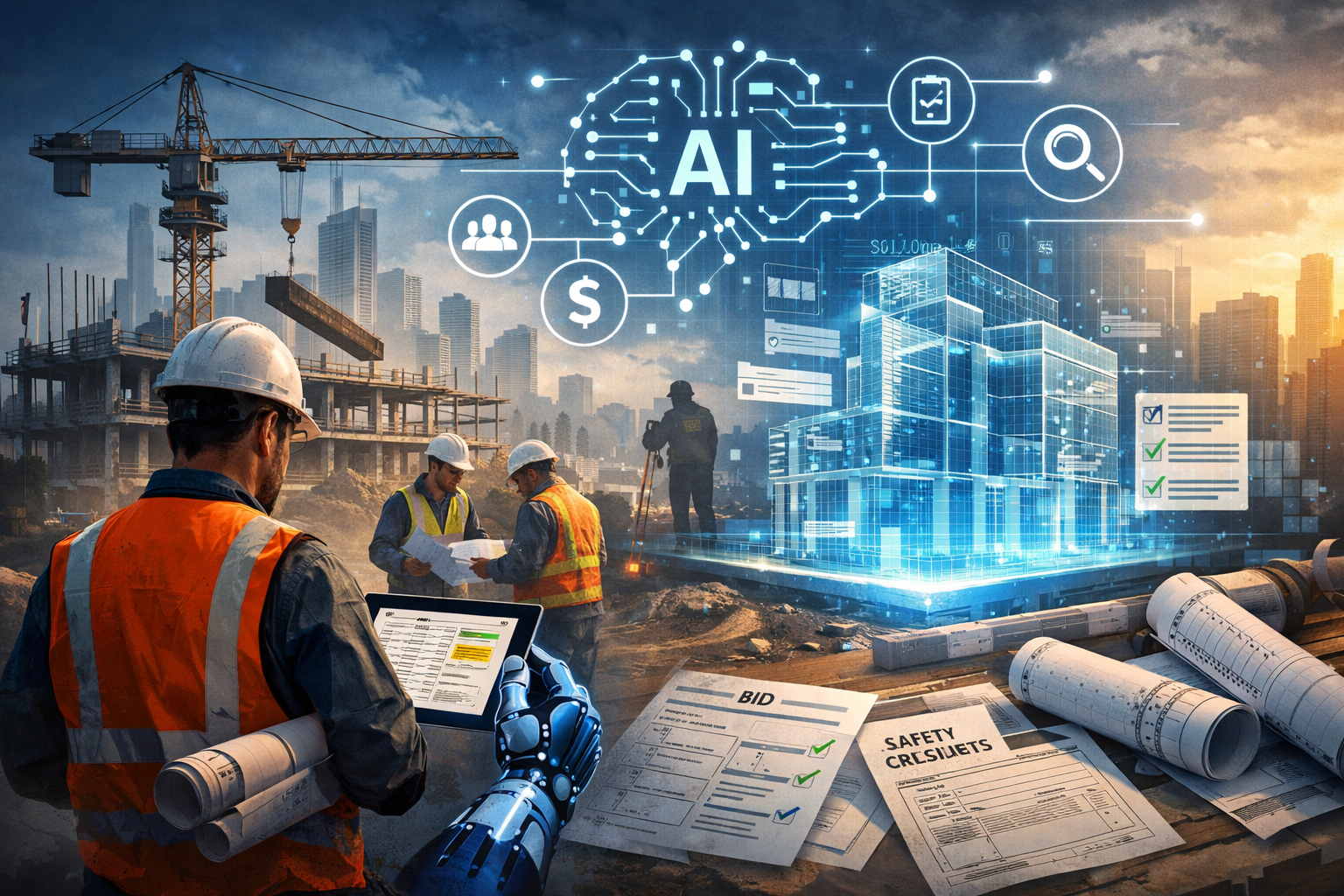
Up until recently, machine learning was limited to predictive models, which primarily focused on observed and classified patterns in content. Generative AI was a breakthrough, enabling computers to generate images or text descriptions of any object on demand. But more than generating new content, Generative AI tools based on transformer models like ChatGPT and DALL·E have the potential to change how a range of jobs are performed and can be used to optimize business processes, and in the future, presumably also engineering processes.
As artificial intelligence advances, generative design opens up ways to develop new design processes that help address tasks more efficiently, reduce development costs, offer more sustainable alternatives, and improve productivity.
Using such tools can allow professionals to focus on innovation and tasks worthy of their time, letting Generative Design tools take on the tedious, repetitive, and time-consuming ones. That being said, the ability to guide such tools is a critical component to allow the leap from recreational, nice-to-have tools, to production-worthy professional ones.
In the MEP design world, generative design can help reduce development time, minimize risk in reworks, assist with optimal equipment selection, and much more.
Originally published at https://www.linkedin.com.
Up until recently, machine learning was limited to predictive models, which primarily focused on observed and classified patterns in content. Generative AI was a breakthrough, enabling computers to generate images or text descriptions of any object on demand. But more than generating new content, Generative AI tools based on transformer models like ChatGPT and DALL·E have the potential to change how a range of jobs are performed and can be used to optimize business processes, and in the future, presumably also engineering processes.
As artificial intelligence advances, generative design opens up ways to develop new design processes that help address tasks more efficiently, reduce development costs, offer more sustainable alternatives, and improve productivity.
Using such tools can allow professionals to focus on innovation and tasks worthy of their time, letting Generative Design tools take on the tedious, repetitive, and time-consuming ones. That being said, the ability to guide such tools is a critical component to allow the leap from recreational, nice-to-have tools, to production-worthy professional ones.
In the MEP design world, generative design can help reduce development time, minimize risk in reworks, assist with optimal equipment selection, and much more.